Normal Tire Pressure for SUV: 32–36 PSI Cold (Real Data)
Last updated: September 3, 2026 · Reading time: 6 min
Most SUVs run 32–36 PSI cold. The exact number for your specific SUV is on the driver-side door jamb sticker — not the tire sidewall. Compact crossovers typically run 32–35 PSI, mid-size SUVs 33–36 PSI, and EV SUVs higher at 38–45 PSI.
Below are 48 SUVs and crossovers from 14 manufacturers with manufacturer-verified cold PSI for front and rear tires — plus how SUV pressure differs from sedans, cold vs hot readings, off-road adjustments, and answers to the 6 most common SUV tire-pressure questions. Data verified against owner's manuals and NHTSA.
Quick Summary
- Most SUVs: 32–36 PSI cold; EV SUVs run higher (38–45 PSI)
- Always use the driver-side door jamb sticker — never the tire sidewall number
- Check cold (parked 3+ hours); pressure rises ~3 PSI while driving
- Tires lose ~1 PSI per 10°F drop — check monthly in winter
- Off-road only: drop to 15–25 PSI, re-inflate before pavement
Normal Tire Pressure for SUV (Quick Answer)
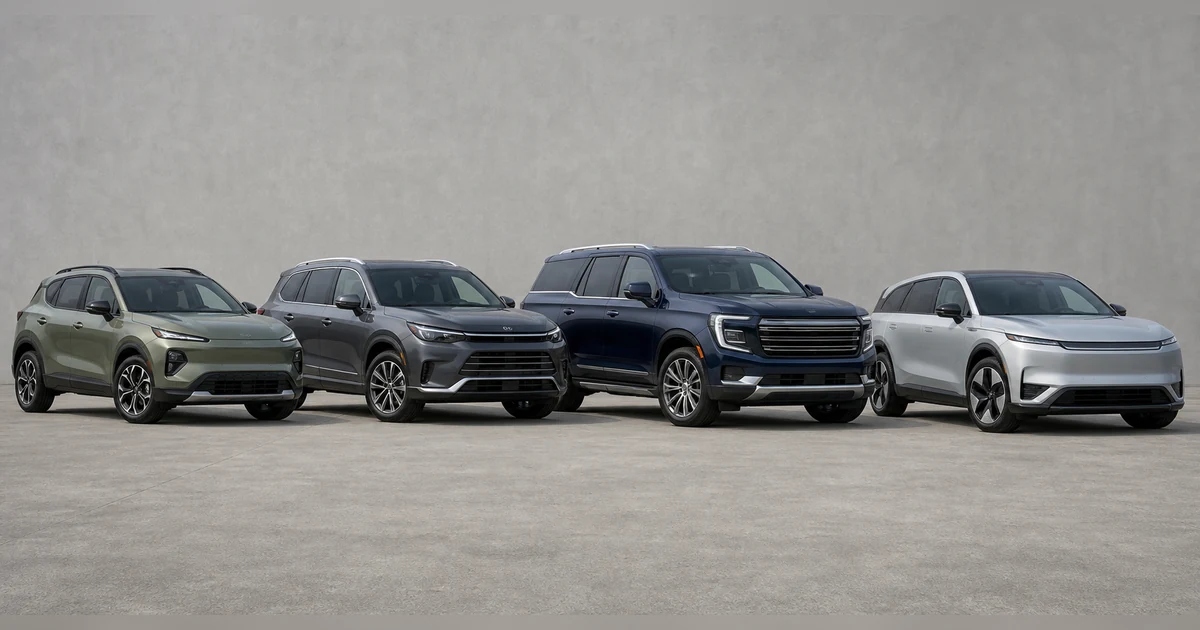
The phrase “normal tire pressure for SUV” usually refers to cold inflation pressure for everyday driving — not towing or off-road. Across our database of 48 SUVs and crossovers, the most common cold PSI range is:
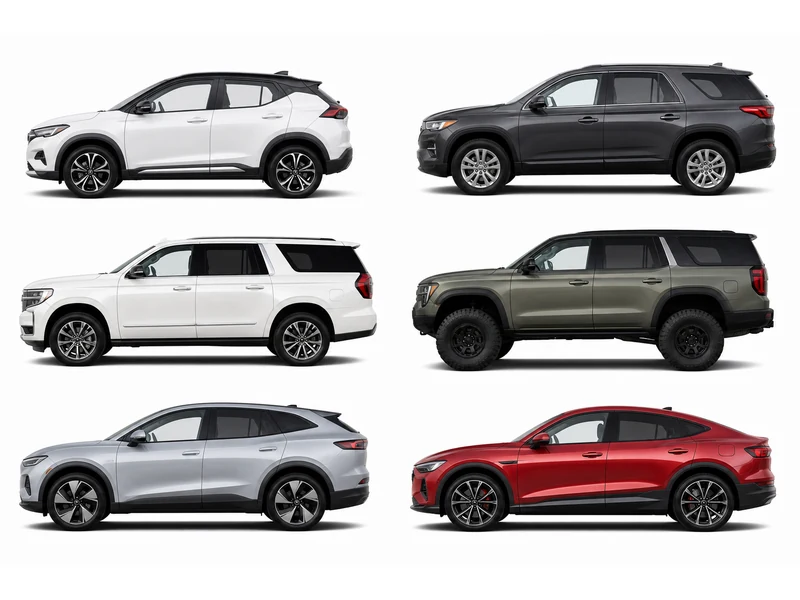
| SUV Class | Typical Cold PSI | Examples |
|---|---|---|
| Compact / Crossover | 32–35 PSI | Honda CR-V, Toyota RAV4, Ford Escape, Mazda CX-5 |
| Mid-size SUV | 33–36 PSI | Toyota Highlander, Honda Pilot, Subaru Outback |
| Full-size SUV | 35–35 PSI | Chevy Tahoe, Ford Expedition, Jeep Wagoneer |
| Heavy-duty truck-based | 35–50 PSI | Chevy Silverado HD, Ford F-250, Ram 2500 |
| EV SUV (heavier battery) | 38–45 PSI | Tesla Model Y, Hyundai Ioniq 5, Kia EV6 |
| Performance SUV (staggered) | 33–44 PSI | BMW X5 M50i, Audi SQ7, Jeep Wagoneer S |
The single most important rule: always use the PSI on your driver-side door jamb sticker, not the number on the tire sidewall. The sidewall number is the tire's maximum safe pressure — not your recommended pressure. For step-by-step instructions on how to check tire pressure, see our complete guide.
Normal Tire Pressure for SUV by Brand (PSI Chart)
The table below shows manufacturer-recommended cold PSI for the most popular 48 SUVs and crossovers in our database. Click any model to see full details (tire sizes by year, TPMS reset, door-jamb reference notes).
Audi (5 models)
BMW (4 models)
| Model | Years | Front | Rear | Tire Size |
|---|---|---|---|---|
| X3 | 2020–2026 | 33 PSI | 36 PSI | 245/50R19 |
| X5 sDrive40i | 2019–2026 | 33 PSI | 41 PSI | 265/50R19 |
| X5 xDrive35i | 2007–2018 | 32 PSI | 36 PSI | 255/55R18 |
| X7 | 2020–2026 | 36 PSI | 39 PSI | 285/45R21 |
Chevrolet (5 models)
Ford (6 models)
| Model | Years | Front | Rear | Tire Size |
|---|---|---|---|---|
| Escape | 2013–2026 | 33 PSI | 33 PSI | 225/65R17 |
| Bronco Sport | 2021–2025 | 33 PSI | 33 PSI | 225/65R17 |
| Explorer | 2020–2026 | 33 PSI | 33 PSI | 255/65R18 |
| Edge | 2019–2024 | 35 PSI | 35 PSI | 245/60R18 |
| Expedition | 2021–2025 | 35 PSI | 35 PSI | 275/65R18 |
| Mustang Mach-E | 2021–2025 | 39 PSI | 39 PSI | 225/55R19 |
Honda (4 models)
Hyundai (4 models)
Jeep (5 models)
| Model | Years | Front | Rear | Tire Size |
|---|---|---|---|---|
| Wrangler | 2007–2026 | 35 PSI | 35 PSI | 245/75R17 |
| Grand Cherokee | 2011–2026 | 36 PSI | 36 PSI | 265/60R18 |
| Cherokee | 1996–2026 | 33 PSI | 33 PSI | 225/60R17 |
| Compass | 2017–2026 | 35 PSI | 32 PSI | 225/60R17 |
| Gladiator | 2020–2026 | 36 PSI | 36 PSI | 245/75R17 |
Kia (4 models)
Nissan (2 models)
| Model | Years | Front | Rear | Tire Size |
|---|---|---|---|---|
| Rogue | 2021–2026 | 36 PSI | 33 PSI | 235/65R17 |
| Pathfinder | 2022–2026 | 33 PSI | 33 PSI | 255/60R18 |
Subaru (3 models)
Toyota (4 models)
| Model | Years | Front | Rear | Tire Size |
|---|---|---|---|---|
| RAV4 | 2019–2026 | 35 PSI | 33 PSI | 225/65R17 |
| Highlander | 2020–2026 | 36 PSI | 36 PSI | 235/65R18 |
| 4Runner | 2010–2026 | 32 PSI | 32 PSI | 265/70R17 |
| Sequoia | 2023–2026 | 35 PSI | 35 PSI | 265/70R18 |
Volkswagen (1 models)
| Model | Years | Front | Rear | Tire Size |
|---|---|---|---|---|
| Tiguan | 2022–2026 | 38 PSI | 38 PSI | 215/65R17 |
Volvo (1 models)
| Model | Years | Front | Rear | Tire Size |
|---|---|---|---|---|
| XC90 | 2016–2026 | 35 PSI | 35 PSI | 235/60R18 |
Data verified against manufacturer owner's manuals and NHTSA master data. Last verified September 3, 2026. See our full vehicle database for trim-specific and year-specific data on 48+ SUVs.
Why SUVs Use Different PSI than Sedans
SUVs run slightly different cold tire pressure than sedans for three reasons:
1. Vehicle weight
A typical sedan weighs ~3,000–3,500 lbs. A typical SUV weighs ~4,000–5,000 lbs. Higher PSI supports the extra weight per tire contact patch and prevents overheating on long drives.
2. Load capacity
SUVs are designed to carry more cargo and passengers, and many tow trailers. Higher cold PSI gives the tire a higher load rating — critical for towing or carrying 5+ passengers.
3. Tire size
SUV tires are typically larger (17–22 inch wheels) than sedan tires (15–18 inch). Larger tire volume requires higher PSI to maintain the same sidewall stiffness and handling response.
Rule of thumb: compact SUV ≈ 32–35 PSI, mid-size SUV ≈ 33–36 PSI, full-size SUV ≈ 35 PSI, heavy-duty truck-based SUV ≈ 35–50 PSI. Always defer to your door jamb sticker.
Cold vs Hot Tire Pressure for SUVs
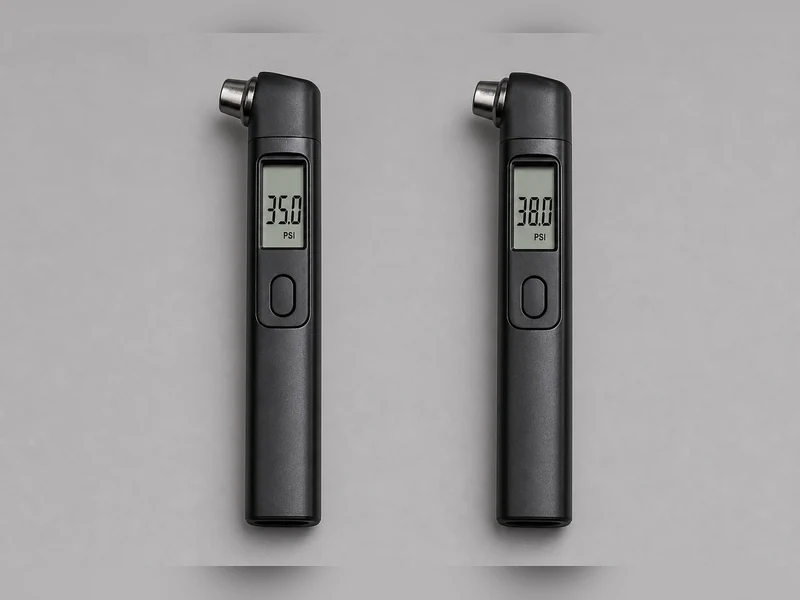
Tire pressure rises ~3 PSI after 30 minutes of highway driving due to friction heat. The numbers on your door jamb sticker are cold PSI — meaning tires should be checked before driving or after sitting 3+ hours. Here's how hot pressure compares to cold pressure for typical SUV starting points:
| Cold PSI (door jamb) | Hot (after 30 min city) | Hot (after 30 min highway) | Notes |
|---|---|---|---|
| 32 PSI cold | 33–34 PSI | 35–36 PSI | Sedan range — typical after 30 min highway |
| 35 PSI cold | 36–37 PSI | 38–39 PSI | Most SUVs — typical after 30 min highway |
| 36 PSI cold | 37–38 PSI | 39–40 PSI | Mid-size SUV (Highlander, Forester) |
| 38 PSI cold | 39–40 PSI | 41–42 PSI | Heavy SUV (Tiguan, Palisade, Telluride) |
| 42 PSI cold | 43–44 PSI | 45–46 PSI | EV SUV (Model Y, Ioniq 5) — never let exceed 50 PSI |
| 44 PSI cold | 45–46 PSI | 47–48 PSI | Audi Q4 e-tron — high load range XL |
Never bleed air from hot tires. Hot pressure is supposed to be 3–6 PSI higher than cold. If you bleed to the cold number while tires are hot, you'll end up under-inflated once they cool. For detailed timing of when to check, see our frequency guide.
Off-Road vs Highway Tire Pressure for SUVs
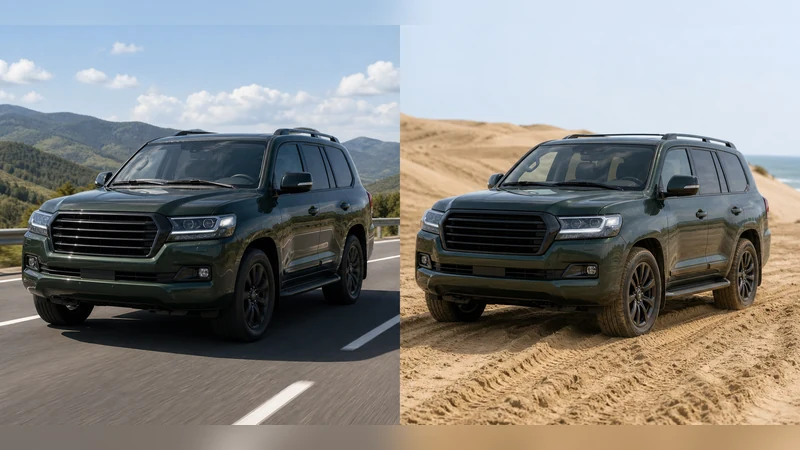
Off-road enthusiasts adjust PSI based on terrain. The key rule: always re-inflate to door-jamb PSI before returning to pavement. Driving at 20 PSI on the highway causes catastrophic tire failure.
| Scenario | Cold PSI | Notes |
|---|---|---|
| Highway (paved) | Door jamb (32–38) | Manufacturer number; never exceed sidewall max |
| City / commuting | Door jamb (32–38) | Standard cold PSI for daily driving |
| Long highway trip | Door jamb + 2 PSI | Some drivers +2 PSI for fuel economy; stay under sidewall max |
| Towing / heavy load | Door jamb + 4–6 PSI (rear) | Check owner's manual for towing spec; some SUVs require different rear PSI |
| Sand / soft terrain | 15–20 PSI | Off-road only; re-inflate before pavement |
| Rock crawling | 18–25 PSI | Off-road only; re-inflate before pavement |
| Snow (winter highway) | Door jamb + 1–2 PSI | Slight over-inflation compensates for pressure drop in cold |
Most SUVs (Jeep Wrangler, Toyota 4Runner, Ford Bronco) come with all-terrain or highway-terrain tires from the factory. If you switch to dedicated mud-terrain tires (e.g., for rock crawling), the door-jamb number may need to be adjusted — consult a tire specialist.
How to Find Your SUV's Recommended Cold PSI
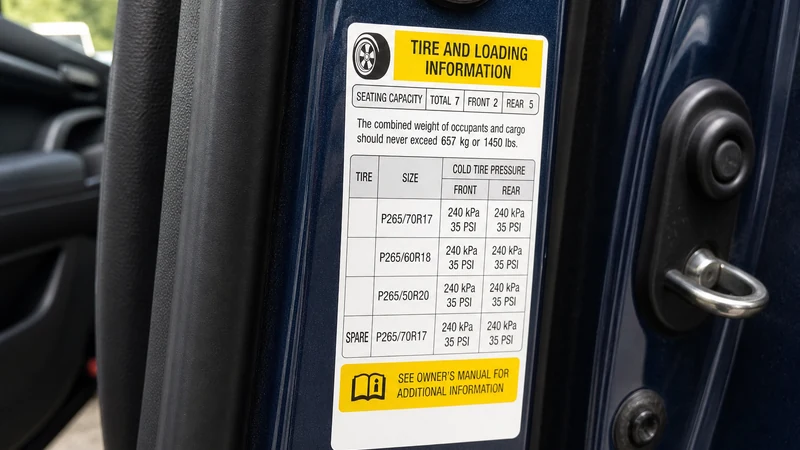
Open the driver-side door fully and look at the door frame (B-pillar area) for a white or yellow tire information sticker.
Read the "TIRE PSI" or "COLD TIRE PRESSURE" line. There will be separate values for front and rear tires (most SUVs list 33–36 PSI for both).
Note the spare tire PSI separately — usually 60 PSI for a full-size spare, or "see owner's manual" for a temporary spare.
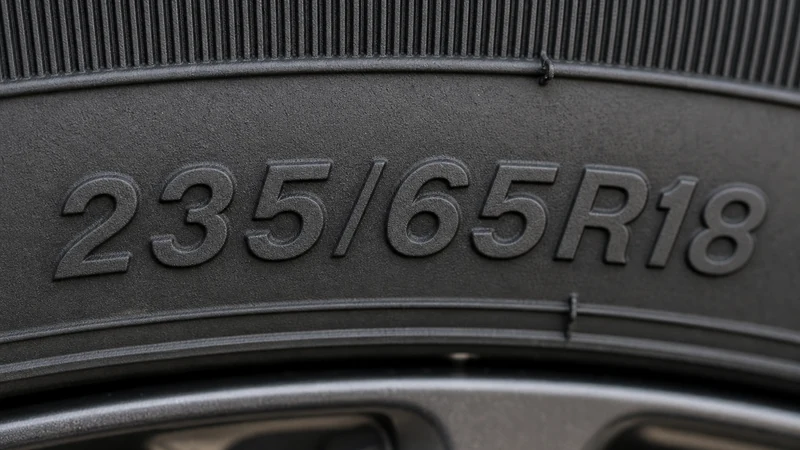
Check the tire size on the sticker (e.g., 235/65R18). Match that to the tires currently on your SUV.
Check cold (after 3+ hours parked). Add air if needed using a reliable tire pressure gauge.
For step-by-step inflation instructions, see our air-filling guide.
Frequently Asked Questions
Is 35 PSI normal for an SUV?
Yes — 35 PSI is the most common cold tire pressure for compact and mid-size SUVs (Toyota RAV4, Honda CR-V, Ford Escape, Jeep Wrangler). Some performance SUVs and EVs run higher (38–44 PSI) due to heavier vehicle weight or staggered fitments.
Why do SUVs use higher PSI than sedans?
SUVs weigh more (~4,000 lbs vs ~3,000 lbs for a sedan) and often carry heavier loads (passengers, cargo, towing). Higher cold PSI supports the extra weight and prevents overheating. A typical sedan runs 32–35 PSI; a typical SUV runs 32–36 PSI; a heavy-duty SUV (Suburban, Expedition, Tahoe) often runs 35–35 front and rear.
Should I use the number on the tire sidewall?
No. The number on the tire sidewall (e.g., 235/65R18) is the tire size — not the recommended pressure. The correct cold PSI for your specific SUV is on the driver-side door jamb sticker or in the owner's manual. Always use that number.
What PSI should my SUV tires be in winter?
Tires lose about 1 PSI for every 10°F drop in temperature. In winter, check pressure every 2 weeks and inflate to the door-jamb number — do NOT lower it. Many drivers under-inflate in winter thinking cold tires need less air; the opposite is true.
Do off-road SUVs need different PSI?
Yes — for sand, mud, or rock crawling, off-road enthusiasts lower PSI to 15–25 PSI to increase tire contact patch. This is for low-speed off-road only. Re-inflate to the door-jamb number before returning to pavement; low PSI at highway speed causes blowouts.
How often should I check SUV tire pressure?
Check cold tire pressure once a month and before any long trip. SUV tires lose 1–2 PSI per month through normal permeation. TPMS sensors typically alert at 25% below recommended — by then you've already lost 8–9 PSI and tire wear has accelerated.
Browse All SUVs by Brand
Looking for a specific SUV? Browse by manufacturer:
Audi
5 models
BMW
4 models
Chevrolet
5 models
Ford
6 models
Honda
4 models
Hyundai
4 models
Jeep
5 models
Kia
4 models
Nissan
2 models
Subaru
3 models
Toyota
4 models
Volkswagen
1 models
Volvo
1 models
Sources
- NHTSA — Tires (tire safety ratings and pressure guidance)
- Bridgestone — How to Check Tire Pressure (cold-tire definition; door jamb sticker as the source of truth)
- Michelin — Tire Pressure Maintenance (monthly check recommendation; normal pressure loss over time)
- Manufacturer owner's manuals and driver-side door jamb stickers — the authoritative source for the exact PSI of each SUV trim and tire size listed above.
Related Guides
- → How to Check Tire Pressure: Step-by-Step Guide
- → How to Check Tire Pressure Without a Gauge
- → How to Check Tire Pressure at a Gas Station
- → How Often Should You Check Tire Pressure?
- → Best Tire Pressure Gauges (Independent Testing)
- → Tire Pressure Warning Light: What It Means
- → Valve Stem Guide: Types, Replacement & Leaks
- → Tire Pressure by Vehicle: Full Database