
Tire Tread Depth Chart: What Every Reading Means
Last updated: September 23, 2026 · Reading time: 7 min
Tire tread depth, quick reference: new tires start at 10/32–11/32 inch; 6/32 or more is healthy; 4/32 is the recommended replacement point (wet braking degrades sharply); 2/32 inch is the legal minimum in most states — replace immediately.
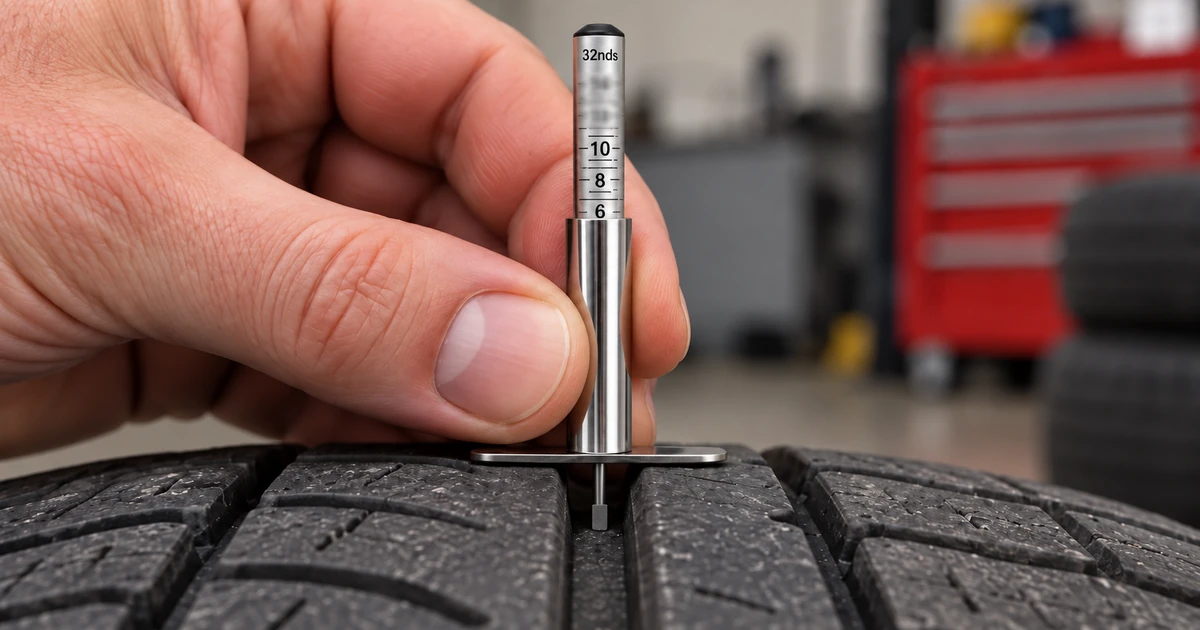
The Tire Tread Depth Chart (Passenger Cars)
US tread depth is measured in 32nds of an inch — a gauge reading of "6" means 6/32 inch (4.8 mm). Here is every reading from new to bald, and what each one means for you:
| Tread depth | In mm | Status | What to do |
|---|---|---|---|
| 10/32"–12/32" | 7.9–9.5 mm | New | Full tread — just check monthly |
| 8/32"–9/32" | 6.4–7.1 mm | Good | Barely worn — recheck monthly |
| 6/32"–7/32" | 4.8–5.6 mm | Acceptable | Fine in dry and rain; if you drive in snow, start shopping |
| 4/32"–5/32" | 3.2–4.0 mm | Replace soon | Wet grip significantly degraded — AAA's recommended replacement point |
| 3/32" | 2.4 mm | Nearly worn out | Dangerous in rain — replace immediately |
| 2/32" | 1.6 mm | Legal minimum | Replace today — at the limit in most states, wear bars flush |
| Below 2/32" | Below 1.6 mm | Illegal / bald | Do not drive — hydroplaning risk, will fail inspection |
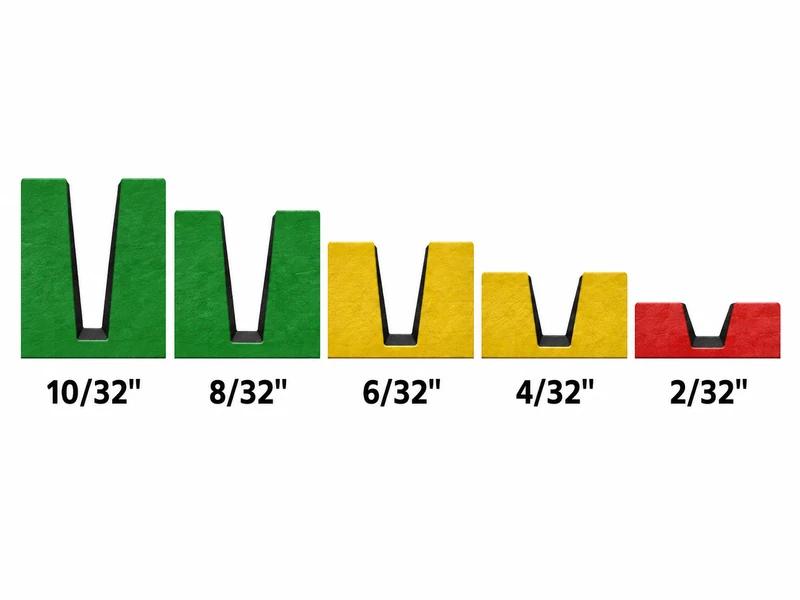
Three rows matter most. 4/32 inch is the honest replacement line — that's where AAA's wet-braking tests showed stopping distances growing 43% versus new tires (87 extra feet from 60 mph). 2/32 inch is the legal floor, not a target — by then the grooves can barely move water. And anything below 2/32 is both unsafe and, in most states, illegal.
Where and How to Measure (So the Number Is Real)
A chart is only as good as the measurement you feed it. Four rules:
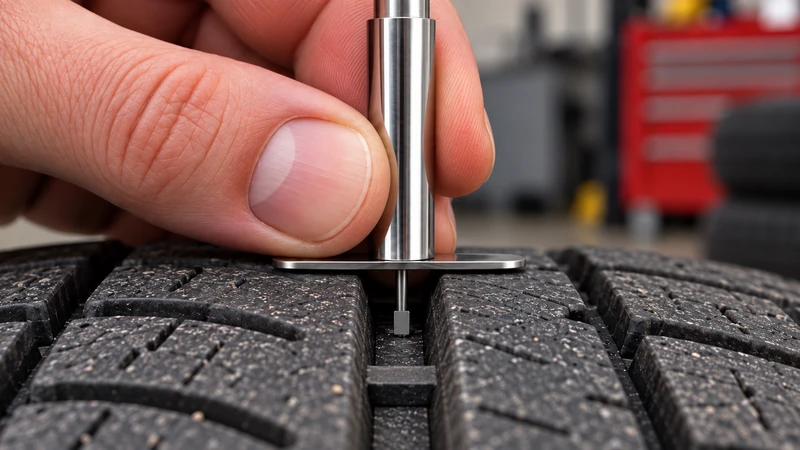
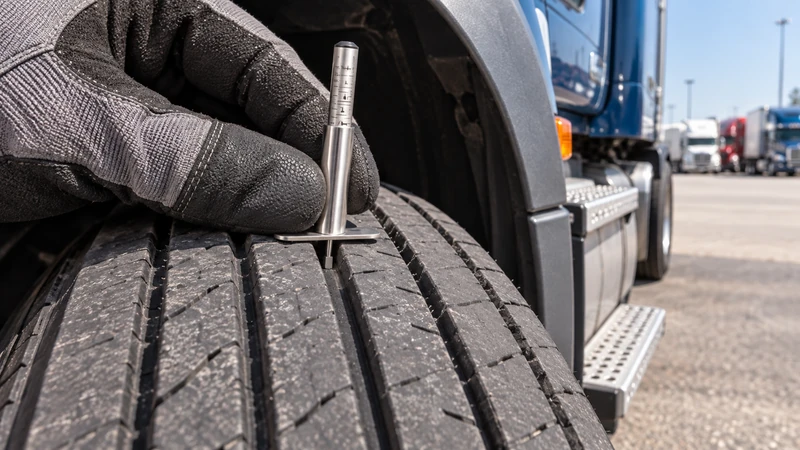
- Measure a main groove — the deep channels running around the tire. Not the thin sipes cut into the tread blocks, and not on top of the raised wear bars.
- Test three zones per tire — inner shoulder, center, outer shoulder. Uneven wear means one zone can be 4/32 while another reads 7/32.
- Check all four tires. Fronts wear faster on front-wheel-drive cars; rears can wear faster on powerful RWD vehicles.
- The lowest reading wins. A tire is only as legal — and only as safe — as its most worn point.
How Deep Are New Tires? (It Depends on the Type)
"New" is not one number. If your gauge reads 9/32 on a fresh tire, that could be completely normal for a performance tire — or suspiciously worn for an all-terrain. Know your starting point:
| Tire type | Typical new depth | Why |
|---|---|---|
| All-season (passenger cars) | 10/32"–11/32" | The reference point most charts assume |
| Winter / snow | Typically 12/32" or more | Deep grooves bite into snow |
| All-terrain / truck | Often 12/32"–16/32" | Built for mud, gravel, and payload |
| High-performance summer | Often 8/32"–10/32" | Shallower tread trades life for dry grip |
DOT Tread Depth Rules for Trucks and Buses
Commercial vehicles play by federal rules, and the steering axle is held to a stricter standard than the rest. Under 49 CFR 393.75, measured in a major groove (never on a wear bar):
| Tire position | DOT minimum | Note |
|---|---|---|
| Steer axle (front tires) | 4/32" (3.2 mm) | Stricter because steering control depends on front grip |
| Drive axle | 2/32" (1.6 mm) | Same as passenger cars |
| Trailer axle | 2/32" (1.6 mm) | Same as passenger cars |
How Much Tread You Need, by Driving Condition
The legal minimum assumes dry pavement and good luck. Real conditions demand more:
Rain: 4/32" floor
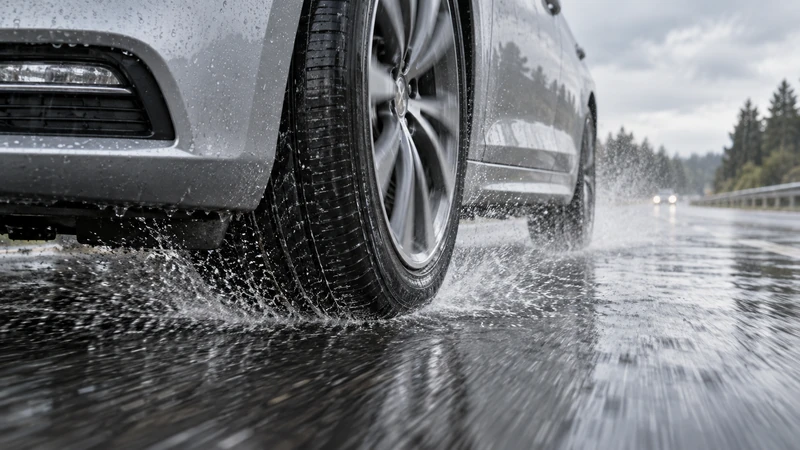
Grooves exist to pump water out from under the contact patch. At 4/32 inch that capacity is already badly reduced — AAA measured 43% longer wet stops and found the car on worn tires still doing nearly 40 mph where the car on new tires had stopped. Replace before the rainy season, not after the first skid.
Snow: don't start winter below 5/32–6/32"
Snow traction works differently: the tread packs snow into its grooves and uses snow-on-snow friction to grip. That needs depth. As a rule of thumb, head into winter with at least 5/32 to 6/32 inch — below that, even "all-season" tires are three-season tires.
Dry highway: the chart's "acceptable" zone is fine
If you genuinely drive mostly dry roads, 6/32 inch and above asks nothing of you but a monthly check. Just remember that weather doesn't schedule itself around your tread depth.
Check Your Depth Without a Gauge
No tools? Two coins and the tire itself cover the two thresholds that matter:
- •Penny test → 2/32" (legal limit). Lincoln's head down in a main groove; see all of his head and the tire is done. Full walkthrough: the penny test, step by step.
- •Quarter test → 4/32" (replace soon). Washington's head down; fully visible head means you're at AAA's replacement line.
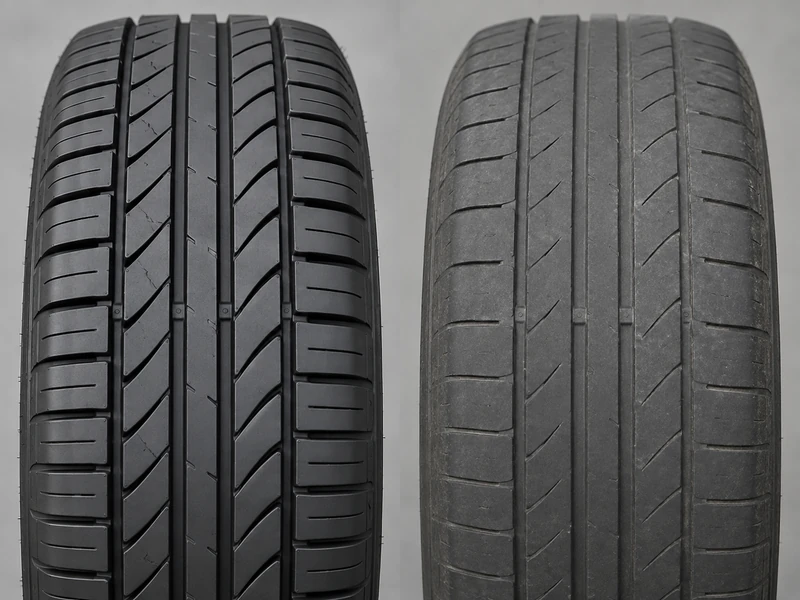
- •Wear bars → 2/32" (built-in). Raised bridges molded into the grooves; tread flush with them means the same as a failed penny test.
For the full method-by-method comparison — including how to read a $5 tread depth gauge — see how to check tire tread.
Key takeaways
- ✓New all-season tires start at 10/32–11/32 inch; 6/32 or more is healthy
- ✓4/32 inch is the real replacement line — wet stopping is already 43% worse (AAA)
- ✓2/32 inch is the legal minimum in most states, not a target — replace immediately
- ✓Trucks and buses: DOT requires 4/32 inch on steer tires, 2/32 elsewhere (49 CFR 393.75)
- ✓Measure main grooves only, three zones per tire, all four tires — the lowest reading wins
- ✓Heading into snow? Don't start winter below about 5/32–6/32 inch
Frequently Asked Questions
What is a good tire tread depth?
6/32 of an inch or more is healthy. New all-season tires start at 10/32 to 11/32 inch, so anything above 8/32 is barely worn. Between 6/32 and 8/32 you have solid tread for dry and wet driving — just keep checking monthly. Below 6/32, start paying attention: wet grip is declining, and at 4/32 inch AAA recommends replacing the tires.
Is 4/32 tire tread depth OK?
Legal, but marginal. At 4/32 inch your tires still pass every state inspection, but wet performance is already seriously degraded — AAA testing found 43% longer wet stopping distances from 60 mph compared with new tires, and passenger cars lost about a third of their wet handling. Fine for careful dry-weather driving while you shop; not a depth to run through a rainy season.
What is the legal minimum tread depth?
For passenger cars, 2/32 of an inch in most US states — that's also where the molded wear bars sit. For commercial trucks and buses, federal DOT rules (49 CFR 393.75) are stricter on the steering axle: 4/32 inch minimum on steer tires, 2/32 inch on all other positions, measured in a major groove away from the wear bars.
How deep is the tread on a new tire?
Most new all-season passenger tires measure 10/32 to 11/32 inch. Winter tires and all-terrain truck tires typically start deeper — often 12/32 inch or more — because deep grooves are what bite into snow and mud. High-performance summer tires often start shallower, around 8/32 to 10/32 inch, trading tread life for dry grip.
How do I measure tread depth without a gauge?
Two coins cover it. The penny test checks 2/32 inch: insert a penny head-down into a main groove — if you can see all of Lincoln's head, you're at the legal limit. The quarter test checks 4/32 inch: all of Washington's head visible means it's time to plan replacement. Your tires also have built-in wear bars at 2/32 inch — tread flush with the bars means the same verdict.
What tread depth is safe for rain and snow?
For rain, treat 4/32 inch as the floor — that's the depth where AAA's wet-braking tests showed dramatically longer stopping distances, and it's their recommended replacement point. Snow demands more: the grooves have to pack and bite snow, so if you drive through real winters, don't head into the season below about 5/32 to 6/32 inch. In both cases, depth matters far more than tire brand or price.
References
- Discount Tire — How to Check Tire Tread Depth (new tires 10/32–11/32"; penny = 2/32", quarter = 4/32", wear bars at 2/32")
- AAA Newsroom — Tread Lightly: Worn Tires Put Drivers at Risk (4/32" tires stop 43% longer on wet pavement; replace at 4/32")
- 49 CFR 393.75 — Tires (Cornell LII)